Plan Your Next Marathon Swim
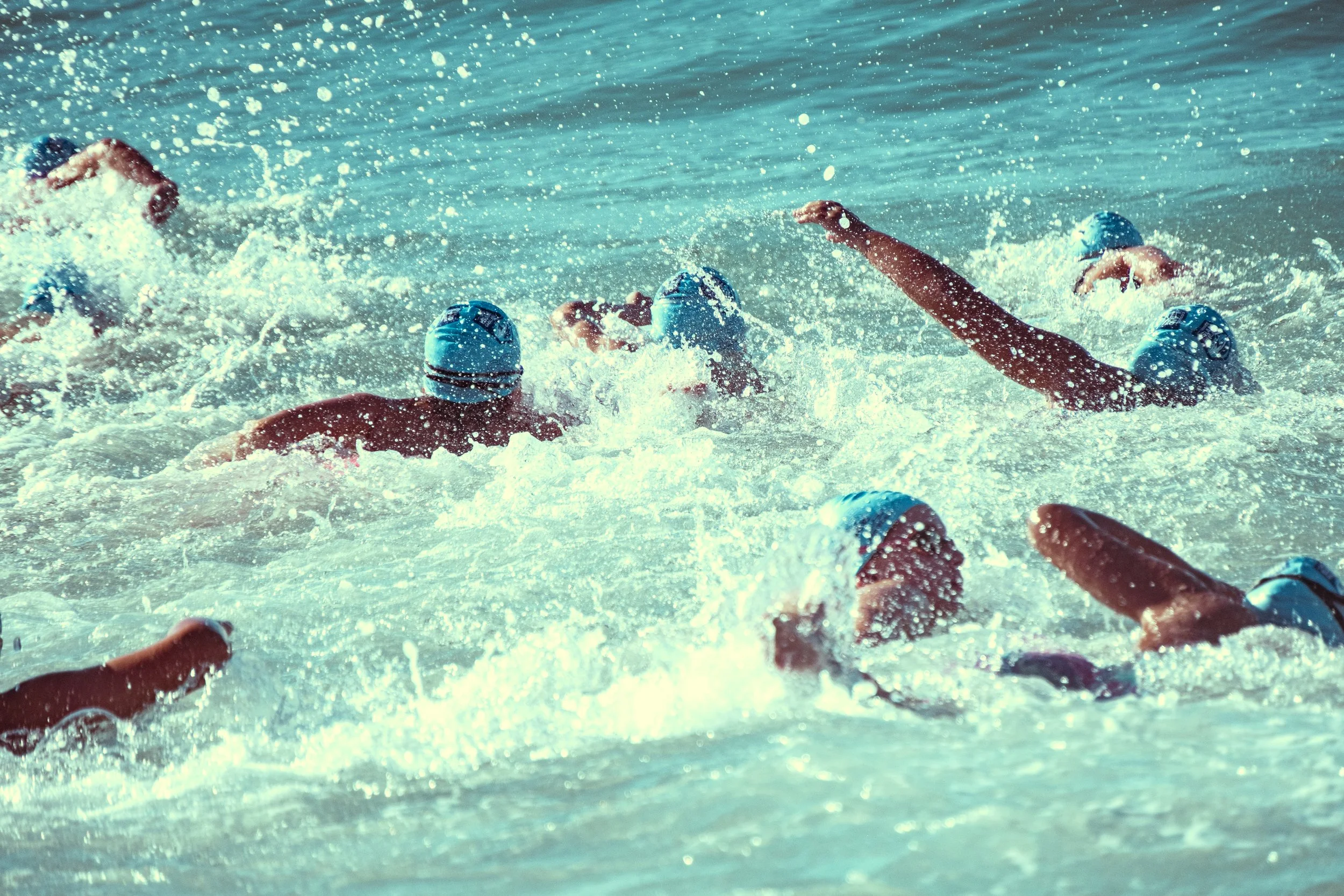
Australia is home to some of the world’s most iconic and challenging marathon swims — from ocean channel crossings to river endurance races. The Australian Marathon Swimming Calendar brings these events together in one place, helping swimmers plan their next challenge and celebrate the diversity of open water swimming across the country.
This calendar highlights key events recognised by Marathon Swimming Australia, including established classics such as the Derwent River Big Swim, Port to Pub, Palm to Shelly, and the Rottnest Channel Swim, alongside emerging local and regional races.
If you are an event organiser and would like your swim listed here and your results formally recognised in the Australian Long Swims Database, we’d love to hear from you.
Please reach out via our Contact Us page to discuss event inclusion and ratification requirements.
Derwent River Series – Tasmanian Marathon Swimming Challenges
The Derwent River & Tasmanian Challenge Swims are a series of marathon and ultra-marathon swims conducted across Tasmania’s rivers and lakes, operating alongside the Derwent River Big Swim with swim windows typically available between November and March.
The series includes a range of distances from ~14km to 60km+, offering progressive endurance challenges across both river and freshwater environments. Key swims include:
Tasman Bridge to Iron Pot (~22km) – transitioning from river to open water at Storm Bay
Bowen Bridge to Iron Pot (~30km) – an extended river-to-ocean route
New Norfolk to Opossum Bay (~49km) – a full-length ultra swim down the Derwent
New Norfolk to Iron Pot (~60km) – Tasmania’s longest ultra-distance river-to-ocean swim
Lake St Clair (~14km) and Yingina / Great Lake (~26km) – freshwater marathon swims in remote alpine environments
These swims are typically undertaken as individual challenge swims rather than mass participation events, requiring swimmers to meet qualification standards and organise escort pilots, with start times determined by tides, weather and river conditions.
Courses vary significantly, combining freshwater lakes, tidal river systems and open estuary conditions, often within a single swim. The Derwent itself presents a unique mix of fresh and salt water, with currents, temperature variation and weather all influencing performance.
Collectively, the Derwent River and associated Tasmanian swims provide a progressive pathway from marathon to ultra-distance swimming, and are widely regarded as some of the most technically demanding and environmentally diverse endurance swims in Australia.